On Monday we drove from Budapest to Prague. Upon arrival we had a city tour. Vienna is the capital and largest city of Austria, with a population of 1.8 million. The city is filled with large buildings, ornately decorated with many statues both on the buildings and on the streets. We had a brief tour of the key parts of the city. The first two pictures show some of the downtown Vienna. The third picture is entitled “the break”, the fourth picture shows atlas holding up the world on top of the national library.


We saw the home of the Spanish Riding School, more commonly known for the 72 Lipizzan horses. We were not able to see a performance as they are only held on weekends.


We toured the St. Stephens Church, which has portions dating back to 1137, but was completed as it now appears in 1365. It is currently undergoing an exterior cleaning.


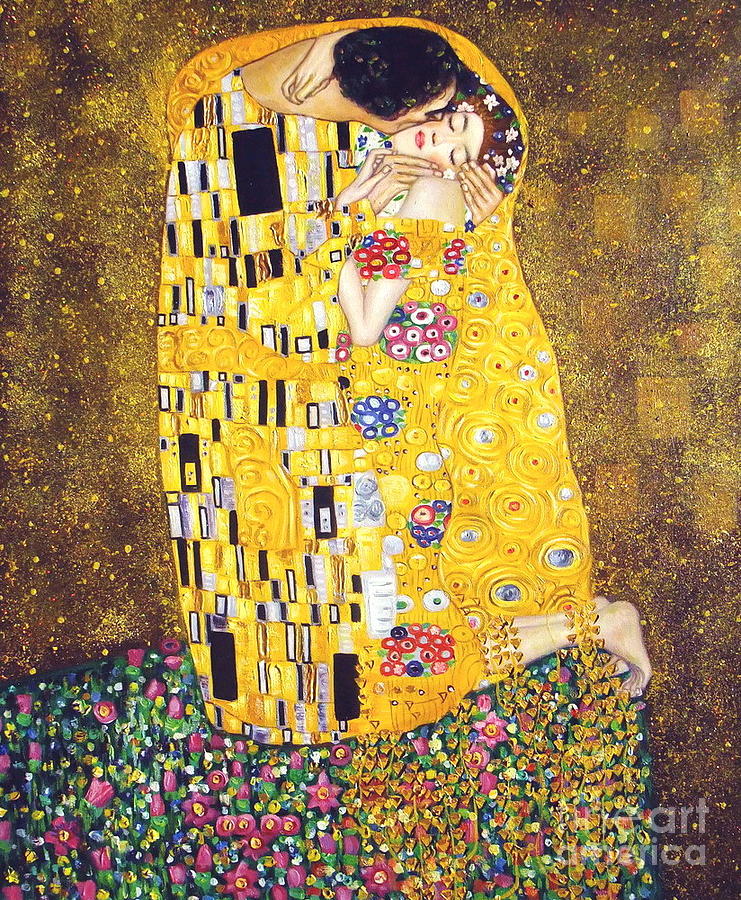
On Tuesday we went to the Belvedere Palace and it’s grounds/ The Palace is now used as an art museum. We toured some of the art exhibit later in the day, and looked at a large collection of work by Gustav Klimt. This was the museum that had the Woman in Gold Painting from the recent movie, Woman in Gold. The last picture in this series is Klimt’s the Kiss.




We then drove to the Schonbrunn Imperial palace, with 1,441 rooms. The Schönbrunn Palace in its present form was built and remodeled in 1740—50s during the reign of empress Maria Theresa who received the estate as a wedding gift It was modeled after Versailles. We had a few minutes before our tour of the interior, so we took a 30 minute wagon ride around the 360 acre landscaped grounds. We then toured the interior, with much discussion of its use by Franz Joseph, the longest-reigning emperor of Austria, was born at Schönbrunn and spent a great deal of his life there. He died there, at the age of 86, on 21 November 1916. Following the downfall of the Habsburg monarchy in November 1918, the palace became the property of newly founded Austrian Republic.


On Wednesday, Nancy and I had a day on our own in Vienna. We started the day with an hour walking tour of the old part of the city. While it duplicated some of our earlier tour, the guide was a little better then our first guide. There are monuments everywhere, including this one to the victims of the black plaque.


We then toured the state opera building. The Opera House was built in 1869, but 80 percent of it was destroyed during world war II, major renovations were completed in 1954 using original blueprints. The new auditorium has a capacity of 2,274, of which 567 are standing only. The standing only positions go for only $4, so it is actually a great way to see the opera for virtually no cost. There is a glass ring on the ceiling that weighs three tons. We went up onto the stage, which was huge. They had lowered the spot lights so they could work on them. The final picture shows the grand ball they hold once a year with 5,000 guests. Mission Impossible 5 has a scene in the Opera House with Tom Cruise.
.


We ended our day of touring with a visit to the Hofburg Palace which was the winter home and office of Franz Joseph and Empress Elizabeth (Sisi). They discussed her life, and tragic death. The museum included the china collection for the palace, which included room after room of plates and fine silverware.


